
Two Commandments of Love and Welcome
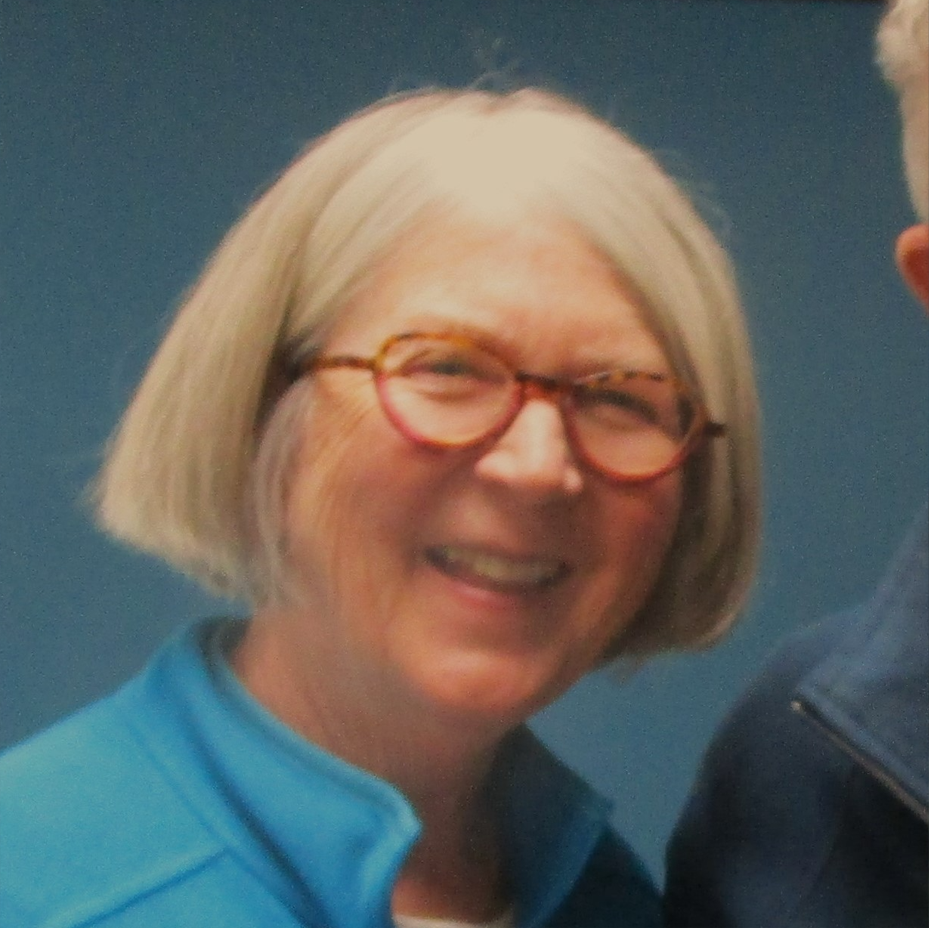
The 22nd Sunday after Pentecost, Year A Sermon for October 25, 2026

Good morning, Epiphany. I'm happy to see all of you.
I want to share with you how I came to be here at Epiphany these 16 years, and it has a lot to do with the gospel reading today. Michelle brought me here. Thanks, Michelle. I had known Michelle for many years, and she saw my disillusionment with church as an institution that excluded many of God's children from the Eucharistic table and indeed from other things as well.
Sure enough, thanks to her understanding, when I first came here armed with my skepticism, one Sunday morning, I found something good. It was about living out the message of today's gospel.
“Love God with your whole heart, soul, and mind, and love your neighbor as yourself.”
Sometime earlier, growing up perhaps, or even in a Bible study when I was a young mother, I had heard these words and I heard them as simple directions. The two commandments, love God, love your neighbor. Simple. It makes sense. But church at that time wasn't showing itself to be a good example for me. It was not a place for me.
That first day here, and I know many of you have heard me tell this story again and again, Janet McKenzie seemed to leap over the pews to welcome me. I look over there now where she sat, though the pews faced forward then, a long time ago. I just sat then as I do now in the way way back. But over she came.
She learned my name, she said my name, she took my name.
It disarmed me somehow. To be acknowledged in that way was hugely powerful. It has led me to try to live out her example ever since.
I've actually surprised myself in being so assertively welcoming, always having been a back row girl. I like to believe that her example that day and every Sunday since has led Epiphany to our All Are Welcome identity. We talk frequently about love and also about welcome here.
Last week in his sermon, John said, “When we discard the story of life as it is often presented to us, of victories over enemies, of achievement at the expense of others, of competition and ambition and profit at all costs, of lesser titles, and,” and this is important, “than beloved of God, when we refuse to live by that story, we instead see clearly that we are all made in the image of God and we are all worthy of love.”
How does this translate to the welcome we practice here at Epiphany? When we welcome people, learn and say their names, invite them to brunch, nurture them and each other, when we share song and prayer, the warmth of our peace, the fun and comfort of our brunch, we reinforce and affirm that all are worthy of love.
John asked Jim Stark the other day at Gather and Grow when we read this gospel together, how we honor the first commandment of the two. Spoken less frequently, I think, than the second, love your neighbor. Love God with your heart and mind and soul. What does that look like? I personally don't think it is simply showing up for worship, but rather it is actively loving God in each other.
How? Jim responded that all of creation is God's doing. So we are, each one of us, God's creation. We are children of God. Loving our neighbors, our friends, the strangers, and yes, ourselves, all of whom are children of God. This action is loving God with our whole heart, our whole mind, and our whole soul.
And so, we're lovable, right?
As we have grown up and now grow older as I am, it is often the case, we have discovered, that our personal life experiences have somehow blocked our vision of ourselves as lovable children of God. I suspect we all have felt unlovable at some moments of our lives. I know I have.
Perhaps we did not have the fortune to be loved so openly and unconditionally as the little ones I watched here last week, for example. We don't know what history another has had, what keeps us from viewing ourselves as lovable. But we might begin to see it possible that we are worthy of love through the warmth of a kind welcome and an invitation to relationship.
The other day, I watched two of our grandkids, Lily and Gus, help each other up after they fell. Actually, they had knocked each other over. I experienced such a warm warmth watching these kids helping each other up after a bit of a contest on the trampoline.
Just as I lovingly watched Gus and Lily, God must smile with warmth when God sees us navigate our relationships. I loved, for instance, last week watching Marty and Marla's family. I sat behind them and observed the borderless love among them. It was fluid. The love I witnessed around those two babies they brought. That was obvious.
And how easy to gaze at a child with unconditional love! Not so easy to buy the notion that we ourselves are that lovable. Or that everyone in our lives is that easy to love.
But picture God smiling with love for us as he watches us, his creation, each one of us, doing our best. Here at Church, we are not going to gaze at each other like we unabashedly do with small babies. We can, though, do what Janet did for me. We can hear our names, say our names, even if we need several reintroductions to remember. And that is okay. We can face each other. In that way, we offer a soft landing to the stranger, to the neighbor, to the child of God who has shown up.
We experience the reciprocal nature of God's presence in the looks that we share.
I believe Pope Leo would see and hear good things were he to be here at Epiphany. In his encyclical, Magnificent Humanity, he says, “Let us cultivate relationships! In an era that favors speed and fragmentation, the human person still yearns to receive care and recognition from attentive minds, kind words, and hands capable of tenderness.”
We have the attentive minds. We give the kind words. And we touch with tenderness. Being loved in this way can give any of us a glimpse, a tiny taste of the unconditional nature of God's love.
Epiphany is a good place to practice this love thing, this obedience to the two commandments we hear in the word today. Love God, love one another. It's pretty easy here.
We are fortunate. It's simple. This community and this place where we live out the two commandments have granted me a spiritual home. With God's help, may we all provide that home to each other and to the strangers we welcome here.
Amen.


Comments